Berkeley Varitronics Systems · distributed by arimasDatasheet · 2026
Operational safety · Cell phone detection

TransitHound

Fixed-installation cell phone detector for distracted operators

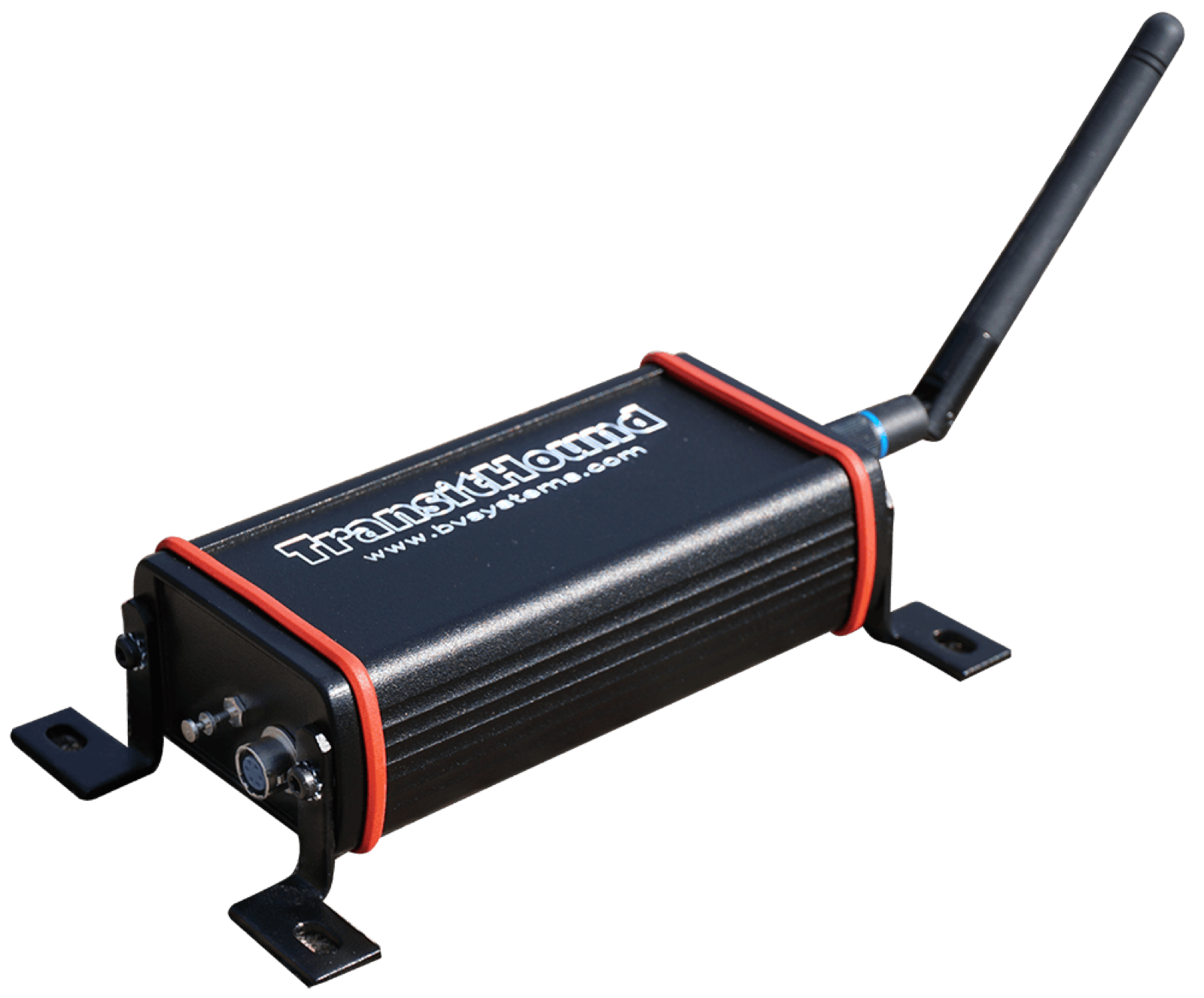
A discreet and rugged receiver that detects cell phone use by train engineers, drivers and heavy machinery operators. Coupled with a camera and DVR, it time-stamps and records every distracting incident.

25m
typical radius of coverage
-83dBm
receiver sensitivity
10–50VDC
vehicle power, no batteries
340g
rugged aluminium shell

01What it detects

3G/4G/5G (non-mmWave) phonesVoice, text and cellular dataCabs, locomotives and depotsTime-stamped eventsHidden remote antenna

02A distracted operator endangers lives

Whether drivers are operating a train, a fleet vehicle or heavy machinery, an impaired or distracted operator can endanger lives. A no cell phone use policy has to be enforced, not just declared.

When any voice, text or cellular data is detected within the cab, locomotive or depot station, TransitHound time-stamps the event and triggers video or still recording; additional alarms can immediately deter operators from using distracting devices.

  • Built for harsh use3.2 mm (1/8 in) aluminium shell, water, dust and shock resistant.
  • Triggers DVRs and camerasDry contact to start recording or alerts.
  • Time-stamped measurementsRS-232 serial / USB port for further analysis.
  • Removable SMA antennaFor long cable runs and custom antenna systems.
arimasTransitHound · Datasheet
Datasheet · TransitHoundARM-DS-BVS-0060-UN-TH-RF4 · v1.0 · November 2026

Technical specifications

Official Berkeley Varitronics Systems data. Metric values converted from the original units.

ItemValue
Supported bands
StandardsAll 3G/4G/5G non-mmWave bands
International bandsAPAC (700) 703–748 MHz · EUDD 832–862 MHz · EGSM 880–915 MHz · DCS 1710–1785 MHz · IMT 1920–1980 MHz · IMT-E 2500–2570 MHz
Countries (international bands)EU, Australia, New Zealand, Israel, Sweden, Brazil, Japan, Canada, Taiwan; custom band sets on request
U.S. bandsB71 663–698 · B12 699–716 · B13 777–787 · B26/B5 814–849 · B4/B66 1710–1780 · B25 1850–1915 · B30 2305–2315 MHz
Canadian bandsB12 698–716 · B13 777–787 · B5 824–849 · B4/B66 1710–1780 · B2 1850–1910 · B7 2500–2570 MHz
Receiver
Radius of coverage *About 25 m (75 ft) under typical conditions
Dynamic range60 dB, user-selectable sensitivity
Sensitivity-83 dBm
Detector resolution2 dB
Bandwidth resolution4 MHz / 20 MHz
Selectivity rejection> 50 dB @ 1 MHz from uplink band edges
Receiving modesHigh-speed scanning (uplink cellphone bands)
AntennaOmni-directional (monopole antenna with external SMA connection); optional directional
Interfaces, power and size
Electrical interfacesSerial RS-232 port (USB cable included), dry contact, DC supply, ground; Hirose connector for power, data and trigger
Power source10–50 VDC, external power (no batteries)
Data storageStores only measurement threshold settings
ResistanceWater, dust and shock resistant
ConstructionRugged 3.2 mm (1/8 in) aluminium shell with rubber gasketing around end caps
Weight340 g (12 oz)
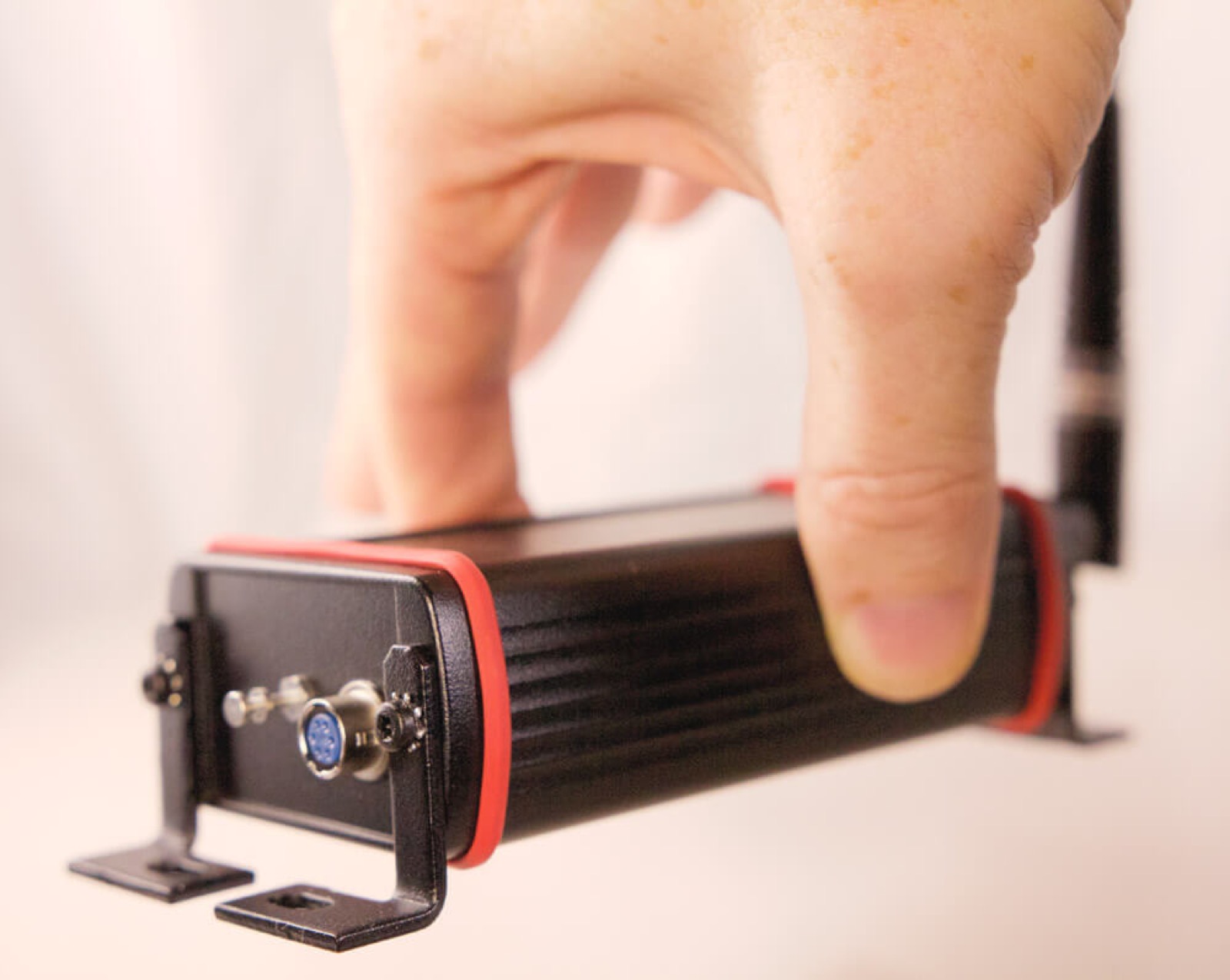
Size14 × 5.7 × 3.2 cm (5.5 × 2.25 × 1.25 in), including mounting feet

* Range depends on the environment, the vehicle and the antenna position.

TransitHound receiver
Discreet in-cab installation
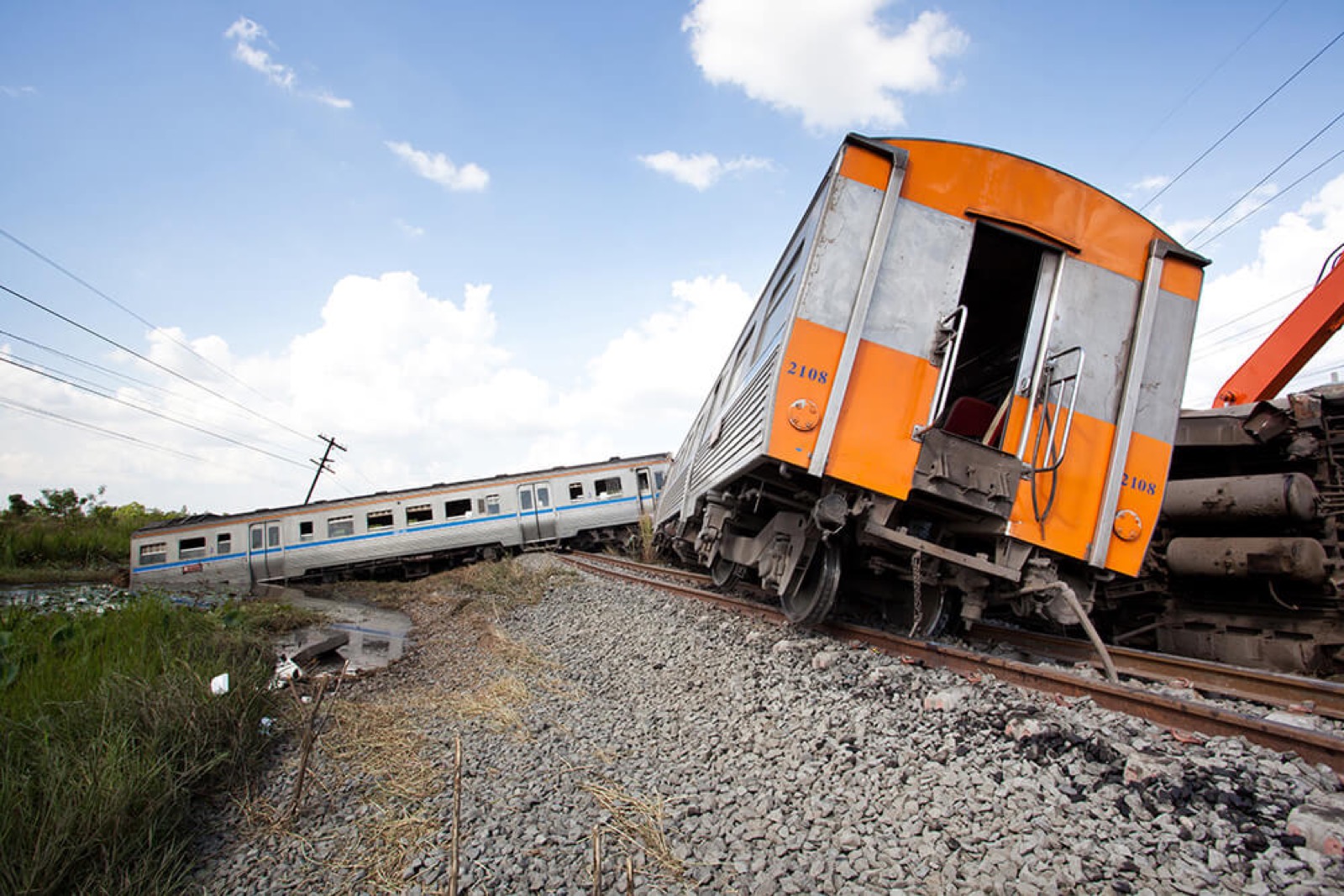
The cost of distraction

Included

  • TransitHound receiver
  • Omni-directional SMA antenna
  • USB cable for the serial port

Optional: Patch antenna with 4.5 m (15 ft) cable, directional antenna, software.

How to install it

Hide the antenna somewhere in the cab and connect it to the unit via hidden cabling; use the dry contact to trigger a DVR, camera or alarm.

Manufacturer

Berkeley Varitronics Systems
Metuchen, New Jersey (USA)

Distributor

arimas
Master Distributor Italy

Contacts

info@arimas.com
+39 349 470 6493

Online

store.arimas.com
product page and quote

Reference

ARM-DS-BVS-0060-UN-TH-RF4
v1.0 · November 2026

arimasManufacturer data, subject to change without notice